|
The demand for ashwagandha supplements has grown significantly as more people look for natural ways to support their overall wellness. Whether you're shopping online or browsing shelves in a pharmacy, you'll notice hundreds of products claiming to be the best ashwagandha supplement. However, choosing the right option isn't as simple as selecting the product with the highest dosage or the most attractive packaging.
The reality is that the best ashwagandha products are defined by much more than marketing claims. Factors such as ingredient quality, standardized extracts, withanolide content, manufacturing standards, third-party testing, and transparent labeling all contribute to a supplement's overall quality.
For consumers in the United States, United Kingdom, and Australia, the supplement market offers countless options with varying formulations, certifications, and price points. Understanding how to compare these products objectively can help you make a more informed purchasing decision.
This guide explains what distinguishes a high-quality ashwagandha supplement, the different types of products available, the ingredients and certifications to look for, and the common mistakes to avoid before making a purchase.
Ashwagandha (Withania somnifera) is an adaptogenic herb that has been used in traditional Ayurvedic practices for centuries. Today, it has become one of the most widely researched botanical ingredients used in dietary supplements worldwide.
Modern consumers commonly purchase ashwagandha supplements as part of their daily wellness routine because they're interested in supporting areas such as:
Its growing popularity has encouraged many supplement manufacturers to develop different formulations, including capsules, powders, gummies, tablets, and liquid extracts.
As a result, buyers are faced with an important question:
How do you identify the best ashwagandha product when so many options appear similar?
The answer lies in understanding quality rather than relying on advertising.
Not every supplement containing ashwagandha offers the same level of quality. The best products typically share several characteristics that help consumers compare them more effectively.
Instead of focusing on a single feature, evaluate the product as a whole.
The most important factors include:
Together, these elements provide a much clearer picture of product quality than dosage alone.
One of the first differences you'll notice when comparing ashwagandha supplements is the ingredient itself.
Some products use whole root powder, while others use standardized root extracts.
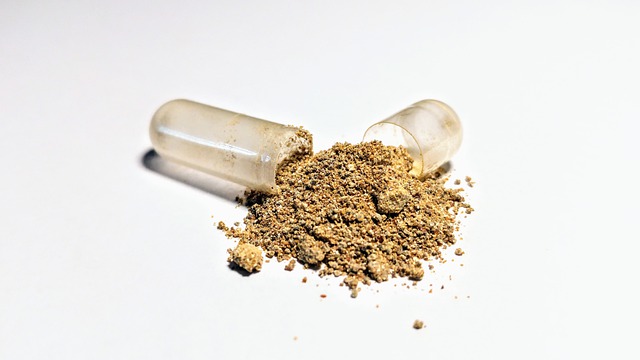
Whole root powder is produced by drying and grinding the root into a fine powder. Because it undergoes minimal processing, the natural composition may vary between batches depending on cultivation, harvesting, and environmental conditions.
Standardized extracts are processed to provide a more consistent concentration of naturally occurring compounds. This consistency allows manufacturers to produce supplements with similar ingredient profiles from batch to batch.
| Whole Root Powder | Standardized Extract |
|---|---|
| Less concentrated | More concentrated |
| Natural variation between batches | Greater consistency |
| Often higher milligram amounts | Usually lower milligram amounts due to concentration |
| Simpler processing | Additional extraction process |
When comparing products, avoid assuming that the supplement with the highest milligram amount is automatically the better choice.
Understanding the type of ingredient is far more valuable than focusing solely on dosage.
If you've researched the best ashwagandha supplement, you've probably encountered the term withanolides.
Withanolides are naturally occurring compounds found in the ashwagandha plant and are commonly used to standardize extracts.
Many manufacturers list the percentage of withanolides because it provides buyers with additional information about ingredient consistency.
However, it's important to remember that a higher percentage doesn't automatically make one supplement superior.
Quality depends on several factors working together, including:
Looking at withanolides alongside these factors provides a more balanced approach when comparing products.
Another important distinction is the source of the extract.
Some manufacturers use root-only extracts, while others formulate products using both root and leaf extracts.
Both approaches are available in today's supplement market, but they represent different formulation philosophies.
When evaluating a supplement, ask the following questions:
Clear disclosure helps consumers make informed comparisons rather than relying on assumptions.
As you compare products, you'll frequently encounter proprietary ingredient names such as KSM-66® and Sensoril®.
These are standardized ashwagandha extracts developed using specific manufacturing processes.
Rather than choosing a supplement simply because it contains one of these branded extracts, consider the complete formulation.
Questions worth asking include:
The branded extract is only one part of the overall evaluation process.
One of the clearest signs of a quality supplement is transparency regarding independent testing.
Third-party laboratories may evaluate products for factors such as:
Although testing practices vary between manufacturers, companies that openly discuss their quality assurance procedures generally provide greater confidence for consumers.
When reviewing a supplement, check whether the manufacturer provides information about:
Transparency is often a stronger indicator than marketing claims.
Manufacturing quality is just as important as ingredient quality.
Reliable supplement companies often produce products in facilities that follow Good Manufacturing Practices (GMP) or equivalent quality standards.
These practices help ensure consistency throughout production by covering areas such as:
While GMP compliance doesn't guarantee that one supplement is better than another, it demonstrates that the manufacturer follows recognized production standards.
Many buyers actively search for products that carry recognized certifications.
Although certifications don't necessarily indicate greater effectiveness, they can provide additional confidence regarding manufacturing and ingredient quality.
Some certifications commonly found on supplement labels include:
| Certification | Why It Matters |
|---|---|
| GMP | Indicates recognized manufacturing practices |
| Third-Party Tested | Independent quality verification |
| Non-GMO | Ingredients are not genetically modified |
| Organic | Produced according to certified organic standards |
| Vegan | Suitable for plant-based diets |
| Gluten-Free | Appropriate for consumers avoiding gluten |
Rather than choosing a supplement based on one certification alone, consider the overall quality profile.
Ashwagandha is available in several supplement formats, each offering different advantages depending on individual preferences.
| Product Type | Best For | Considerations |
|---|---|---|
| Capsules | Convenience and accurate serving sizes | Easy to include in daily routines |
| Tablets | Traditional supplement users | May contain additional binders |
| Gummies | Those who dislike swallowing capsules | Check sugar and ingredient content |
| Powder | Mixing into smoothies or drinks | Requires measuring |
| Liquid Extracts | Flexible serving options | Storage requirements may vary |
The best format is the one that fits your lifestyle and encourages consistent use.
Before purchasing any supplement, spend a few minutes reviewing the label instead of relying on front-of-package marketing.
Look for:
Products with transparent labeling are generally much easier to compare than those with vague descriptions or proprietary blends.
Choosing an ashwagandha supplement based solely on marketing claims can lead to disappointment. Many products look similar on the surface but differ significantly in quality, formulation, and manufacturing standards.
Avoiding these common mistakes can help you identify a supplement that aligns with your expectations and wellness goals.
One of the biggest misconceptions is that a higher milligram amount automatically means a better supplement.
For example, a product containing 1,500 mg of whole root powder isn't necessarily superior to one containing 600 mg of a standardized extract. The extraction process, concentration, and consistency all influence the final formulation.
Instead of comparing dosage alone, consider:
Looking at the complete formulation provides a more meaningful comparison than focusing on a single number.
The best ashwagandha products clearly disclose what's inside every serving.
Look for labels that identify:
Be cautious of products that hide ingredient quantities within proprietary blends or use vague descriptions.
Higher prices often reflect factors such as branding, packaging, or marketing rather than ingredient quality.
Instead of relying on price alone, compare products based on:
A reasonably priced supplement with excellent transparency may offer better value than an expensive product with limited information.
The manufacturer plays a significant role in product quality.
Before making a purchase, visit the company's website and check whether it provides information about:
Companies that openly discuss these topics often demonstrate greater transparency and accountability.
Instead of relying on advertising, use the following framework when comparing supplements.
| Evaluation Factor | Why It Matters | What to Look For |
|---|---|---|
| Extract Type | Determines formulation consistency | Clearly identified standardized extract or root powder |
| Withanolide Information | Indicates standardization | Clearly stated on the label where applicable |
| Ingredient Transparency | Makes products easier to compare | Complete Supplement Facts and ingredient list |
| Manufacturing Standards | Reflects quality processes | GMP or equivalent quality practices |
| Third-Party Testing | Adds confidence in product quality | Independent testing or Certificate of Analysis (COA) |
| Certifications | Supports specific preferences | Organic, Non-GMO, Vegan, Gluten-Free where relevant |
| Label Clarity | Helps informed decision-making | Easy-to-understand directions and serving size |
| Company Transparency | Builds trust | Contact details, sourcing information, and educational resources |
The more criteria a product meets, the easier it becomes to compare it objectively with competing supplements.
There isn't a single supplement that's ideal for everyone. Your lifestyle, dietary preferences, and daily routine should influence the format you choose.
Capsules and tablets are easy to carry, require no preparation, and provide consistent serving sizes.
Powdered ashwagandha may be a practical option because it can be mixed into beverages. Be aware that powders require accurate measuring and may have a distinctive herbal taste.
Gummies are often chosen by individuals who dislike swallowing capsules. Check the ingredient list for added sugars, artificial sweeteners, or flavorings if these are concerns for you.
Look for products labeled as:
Always verify these claims by reading the label rather than relying solely on front-of-package marketing.
Although ashwagandha is a widely used herbal supplement, it isn't suitable for everyone.
Before adding any supplement to your routine, consult a qualified healthcare professional if you:
A healthcare professional can help determine whether supplementation is appropriate based on your individual health needs.
As with many dietary supplements, individual experiences can vary.
Some people may experience mild side effects such as:
Always follow the manufacturer's recommended serving instructions and discontinue use if you experience unexpected symptoms. Seek advice from a healthcare professional if you have any concerns.
Proper storage helps maintain product quality throughout its shelf life.
General storage recommendations include:
Storage instructions may vary by product, so always follow the manufacturer's guidance.
Before purchasing an ashwagandha supplement, use this checklist to compare your options.
| Question | Yes/No |
|---|---|
| Does the label clearly identify the type of ashwagandha used? | ? |
| Is the extract standardized where applicable? | ? |
| Are all ingredients clearly disclosed? | ? |
| Does the product provide serving size information? | ? |
| Does the manufacturer explain quality standards? | ? |
| Is there information about third-party testing? | ? |
| Are certifications relevant to your dietary needs? | ? |
| Is the supplement purchased from a trusted retailer? | ? |
A product that satisfies most of these criteria is generally easier to evaluate than one with limited transparency.
The best choice depends on your individual preferences and wellness goals. Look for products that clearly disclose the type of extract, provide transparent labeling, and follow recognized manufacturing standards.
Standardized extracts are formulated to provide greater consistency between servings, while whole root powder is less processed. The most suitable option depends on the formulation and your personal preferences.
Withanolides are naturally occurring compounds found in the ashwagandha plant. Manufacturers often use them to standardize extracts and provide consistency between batches.
Independent testing can provide additional confidence regarding ingredient identity, purity, and product consistency. While not every supplement undergoes the same testing, transparency about quality assurance is generally a positive indicator.
Each format has advantages. Capsules offer convenience, powders provide flexibility, and gummies may be easier for some people to take. The quality of the ingredient is generally more important than the delivery format.
Depending on your preferences, you may consider products with certifications such as GMP, Organic, Non-GMO, Vegan, Gluten-Free, or evidence of third-party testing.
Compare the extract type, ingredient transparency, manufacturing standards, quality testing, certifications, and serving information rather than relying solely on dosage or price.
Follow the manufacturer's directions for use and seek professional medical advice if you have questions about long-term supplementation or existing health conditions.
Pricing may reflect ingredient sourcing, manufacturing practices, quality testing, certifications, packaging, and brand positioning. A higher price doesn't always indicate higher quality.
Purchase from reputable pharmacies, health stores, or trusted online retailers that provide authentic products, transparent product information, and reliable customer support.