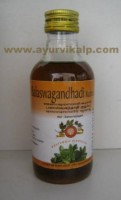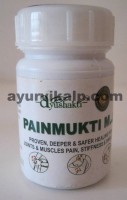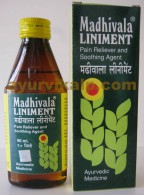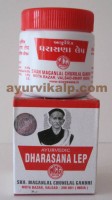
|
Whether you have overexerted yourself at the gym or are feeling the "stiff-shoulder" effects of a long day at a desk, muscle discomfort is a universal experience. In the United States and the United Kingdom, more people are moving away from chemical-based rubs and toward natural muscle recovery solutions.
In Ayurveda, muscle pain is often a sign of aggravated Vata (the energy of movement) or an accumulation of Ama (toxins) in the muscle tissues. By using herbal muscle relaxants and traditional oil therapies, you can support your body’s repair process and return to your routine faster.
If you are looking for herbal remedies for muscle aches, these traditional plants are backed by centuries of use and modern interest:
Ashwagandha is an "adaptogen" that helps the body recover from physical stress. It is widely searched in the US as a natural supplement for muscle recovery because it supports tissue repair and helps reduce the cortisol spikes that follow intense exercise.
Ginger is nature’s warming agent. It helps increase blood circulation to tired muscles, carrying away the lactic acid that causes that "burning" sensation. Drinking warm ginger water is a simple home remedy for muscle cramps.
Nirgundi is one of the most potent Ayurvedic herbs for pain relief. It is often used in oils and pastes to soothe swelling and provide a cooling, analgesic effect to strained muscles.
Turmeric's anti-inflammatory properties are world-famous. When taken with black pepper for better absorption, it helps support the body's natural response to muscle inflammation without the digestive upset of synthetic tablets.
Favored by athletes, Gokhru is traditionally used to reduce muscle fatigue and improve endurance. It helps the muscles utilize oxygen more efficiently, making it a staple for holistic fitness support.
Modern science calls it DOMS (Delayed Onset Muscle Soreness), but Ayurveda describes it as an imbalance in the Mamsa Dhatu (muscle tissue).
Vata-type pain: Sharp, localized, and often moving. Triggered by over-exercise or cold weather (common in the UK).
Kapha-type pain: Dull, heavy, and persistent. Often linked to poor circulation or sedentary habits.