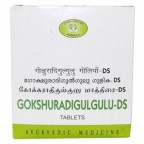
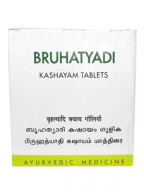
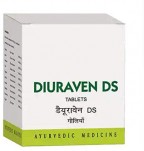
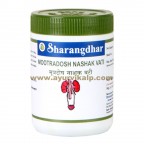
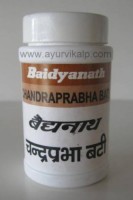
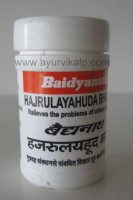
Ayurvedic medicines, including those used to manage and treat conditions like kidney stones (calculi), are growing in popularity in the United States. These treatments offer a unique approach to health and wellness that is different from conventional Western medicine. Here are some key aspects of Ayurvedic medicines for calculi that make them unique in the U.S. market:
1. Holistic Approach
-
Ayurvedic medicine is based on a holistic approach to health, emphasizing the balance of body, mind, and spirit. This contrasts with the more symptom-focused approach often seen in Western medicine.
2. Natural Ingredients
-
The use of natural herbs, minerals, and plant-based ingredients is a hallmark of Ayurvedic medicine. For kidney stones, herbs like Pasanabheda (Bergenia ligulata), Gokshura (Tribulus terrestris), and Punarnava (Boerhaavia diffusa) are commonly used. These herbs are believed to help dissolve stones, reduce pain, and prevent recurrence.
3. Personalized Treatment
-
Ayurveda tailors treatments to individual patients based on their unique body constitution (Prakriti) and the specific nature of their imbalance (Dosha). This personalized approach contrasts with the one-size-fits-all approach often seen in Western medicine.
4. Emphasis on Prevention
-
Ayurvedic treatment for kidney stones includes dietary and lifestyle recommendations to prevent recurrence, such as increasing water intake, consuming a diet low in oxalates, and including specific herbs and spices in daily meals.
5. Complementary and Integrative Use
-
In the U.S., Ayurvedic treatments for kidney stones are often used as complementary therapies alongside conventional treatments like pain management and surgical intervention. This integrative approach is becoming more accepted as patients seek out holistic care options.
6. Regulatory Status and Accessibility
-
While Ayurvedic medicines are considered dietary supplements in the U.S. and are subject to less stringent regulation than pharmaceutical drugs, their growing popularity has led to increased scrutiny and interest in their safety and efficacy.
7. Educational and Cultural Exchange
-
The spread of Ayurvedic knowledge in the U.S. has been supported by practitioners who emphasize education about traditional Indian health practices. This includes the promotion of Ayurvedic principles, dietary guidelines, and lifestyle practices aimed at preventing and managing kidney stones.
8. Research and Evidence-Based Practice
-
There is a growing body of research in the U.S. investigating the efficacy of Ayurvedic treatments for conditions like kidney stones. This research is helping to bridge the gap between traditional knowledge and modern scientific validation.
9. Consumer Demand for Alternative Therapies
-
Increasing consumer interest in natural and alternative therapies is driving the popularity of Ayurvedic treatments in the U.S. This trend is part of a broader movement toward wellness and holistic health that emphasizes natural remedies.
Conclusion
The unique aspects of Ayurvedic medicine, such as its holistic approach, use of natural ingredients, and emphasis on personalized care, contribute to its growing popularity in the United States. While it remains a complementary treatment, Ayurveda's integration into the broader health landscape reflects a shift toward more diverse and holistic health practices.