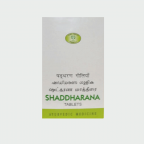
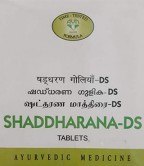
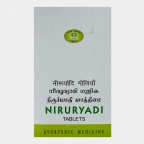
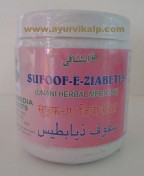
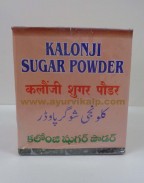
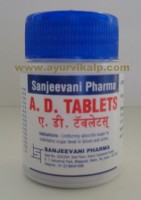
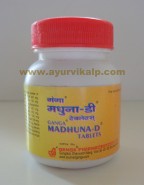
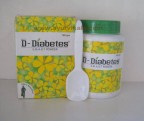
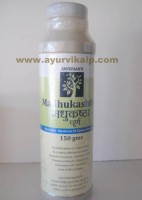
Introduction to Ayurvedic Medicine and Diabetes
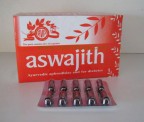
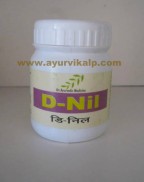
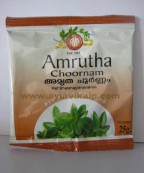
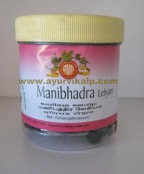
Ayurveda, the ancient holistic system of medicine from India, provides comprehensive approaches to managing chronic conditions such as diabetes. Diabetes, a metabolic disorder characterized by high blood sugar levels, can be effectively managed through Ayurvedic treatments that focus on balancing the body's doshas and enhancing overall health. This unique content highlights Ayurvedic medicines and practices available in the United States that support diabetes management.
Understanding Diabetes in Ayurveda
In Ayurveda, diabetes is known as "Madhumeha," which is one of the 20 types of "Prameha" (urinary disorders). It is primarily associated with an imbalance in the Kapha dosha and impaired digestion (Agni). Ayurvedic treatments aim to balance the doshas, improve digestion, and detoxify the body to manage diabetes effectively.
Ayurvedic Medicines for Diabetes
Several Ayurvedic herbs and formulations have shown promise in managing blood sugar levels and supporting overall health. These remedies are available in the United States and can be integrated into a comprehensive diabetes management plan.
-
Bitter Melon (Momordica charantia)
-
Benefits: Bitter melon is known for its blood sugar-lowering properties. It contains compounds that mimic insulin and help regulate glucose levels.
-
Usage: Available in capsule, powder, and juice form, bitter melon can be taken daily as per the recommended dosage.
-
Gymnema Sylvestre (Gurmar)
-
Benefits: Gymnema sylvestre is known as the "sugar destroyer." It helps reduce sugar absorption in the intestines and supports healthy pancreatic function.
-
Usage: This herb is commonly available in capsule and tablet forms. It should be taken as directed on the product label.
-
Fenugreek (Trigonella foenum-graecum)
-
Benefits: Fenugreek seeds are rich in soluble fiber, which helps control blood sugar levels and improve insulin sensitivity.
-
Usage: Fenugreek is available in seed, powder, and capsule forms. It can be consumed daily, preferably before meals.
-
Turmeric (Curcuma longa)
-
Benefits: Turmeric contains curcumin, which has anti-inflammatory and antioxidant properties. It helps regulate blood sugar levels and reduces inflammation associated with diabetes.
-
Usage: Turmeric can be taken in the form of capsules, powders, or as an ingredient in meals. A typical dose is 500 mg of curcumin per day.
-
Amla (Indian Gooseberry)
-
Benefits: Amla is rich in vitamin C and antioxidants, which help reduce blood sugar levels and improve overall health.
-
Usage: Amla is available in various forms, including powders, capsules, and juices. It can be taken daily for optimal benefits.
Integrating Ayurvedic Practices for Diabetes Management
Alongside herbal remedies, Ayurveda emphasizes lifestyle and dietary modifications to manage diabetes effectively.
-
Diet: Follow a diet that balances the doshas, focusing on fresh, whole foods. Include plenty of vegetables, whole grains, legumes, and lean proteins. Avoid refined sugars, processed foods, and excessive carbohydrates.
-
Exercise: Engage in regular physical activity such as yoga, walking, or any form of exercise that promotes cardiovascular health and aids in weight management.
-
Detoxification: Periodic detoxification practices, such as Panchakarma, help eliminate toxins from the body and improve metabolic function.
-
Hydration: Drink plenty of water throughout the day to stay hydrated and support metabolic processes.
-
Stress Management: Practices such as meditation, deep breathing exercises (pranayama), and mindfulness can help manage stress, which is often linked to blood sugar fluctuations.
Availability in the United States
Ayurvedic medicines and supplements for diabetes are widely available in the United States through various online platforms and specialty health stores. It is advisable to consult with an Ayurvedic practitioner or healthcare provider before starting any new treatment to ensure it aligns with individual health needs.
Conclusion
Ayurvedic medicine offers a holistic and natural approach to managing diabetes by addressing the root causes and promoting overall health. By incorporating Ayurvedic herbs, dietary changes, and lifestyle practices, individuals can effectively manage blood sugar levels and enhance their quality of life. With the increasing availability of Ayurvedic remedies in the United States, more people can access these time-tested treatments, allowing for a complementary approach to diabetes management.