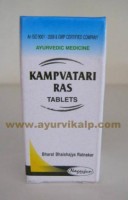
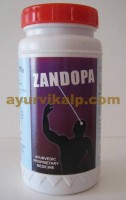
Parkinsonism encompasses a group of neurological disorders that lead to movement issues similar to those seen in Parkinson's disease, such as tremors, rigidity, and bradykinesia (slowness of movement). Ayurvedic medicine offers various herbal remedies, dietary recommendations, and lifestyle practices aimed at supporting neurological health and alleviating symptoms of parkinsonism. Here are some unique Ayurvedic treatments and approaches that can be utilized in the United States:
Herbal Remedies
-
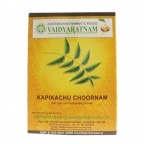
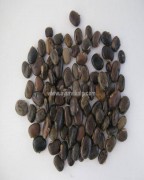
Mucuna Pruriens (Kapikachhu)
-
Usage: Taken as powder, capsules, or in formulations.
-
Action: Contains L-DOPA, a precursor to dopamine, which can help improve motor function and alleviate tremors and rigidity.
-
Brahmi (Bacopa monnieri)
-
Usage: Consumed as powder, capsules, or in tea form.
-
Action: Known for its neuroprotective properties, Brahmi helps enhance cognitive function, reduce oxidative stress, and improve overall brain health.
-
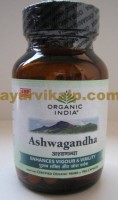
Ashwagandha (Withania somnifera)
-
Usage: Taken as powder, capsules, or tincture.
-
Action: Acts as an adaptogen, reducing stress and anxiety, and has neuroprotective effects that may support motor function and overall neurological health.
-
Guduchi (Tinospora cordifolia)
-
Usage: Consumed as powder, capsules, or in formulations.
-
Action: Guduchi is known for its immunomodulatory and anti-inflammatory properties, which can help in reducing neuroinflammation.
-
Shankhpushpi (Convolvulus pluricaulis)
-
Usage: Available as powder, capsules, or in tea form.
-
Action: Enhances cognitive function, reduces anxiety, and promotes mental well-being.
Dietary Recommendations
-
Anti-Inflammatory Diet
-
Foods: Include foods rich in antioxidants such as berries, green leafy vegetables, nuts, seeds, and healthy fats like olive oil.
-
Action: Helps reduce overall inflammation and supports brain health.
-
Hydration
-
Advice: Drink plenty of water and avoid caffeine and alcohol.
-
Action: Proper hydration supports overall health and optimal brain function.
-
Balanced Diet
-
Foods: Fresh fruits, vegetables, whole grains, and lean proteins.
-
Action: A balanced diet provides essential nutrients that support overall health and help manage symptoms of parkinsonism.
Lifestyle and Practices
-
Yoga and Pranayama
-
Practices: Specific yoga postures like Tadasana (Mountain Pose), Vrikshasana (Tree Pose), and Shavasana (Corpse Pose), along with breathing exercises such as Anulom Vilom (alternate nostril breathing) and Bhramari (humming bee breath).
-
Action: These practices help improve balance, flexibility, reduce stress, and support overall neurological health.
-
Abhyanga (Ayurvedic Massage)
-
Usage: Daily oil massage with warm sesame oil or medicated oils like Bala oil.
-
Action: Improves circulation, reduces muscle tension, and supports overall relaxation and well-being.
-
Moderate Physical Activity
-
Activities: Regular moderate exercise such as walking, swimming, or gentle yoga.
-
Action: Helps maintain a healthy weight, reduce inflammation, and improve overall health.
Key Ayurvedic Formulations
-
Ashwagandharishta
-
Composition: A traditional herbal tonic made from Ashwagandha and other herbs.
-
Action: Helps reduce stress, improve strength, and support overall neurological health.
-
Brahmi Ghrita
-
Composition: A medicated ghee containing Brahmi and other herbs.
-
Action: Helps in improving memory, reducing anxiety, and supporting mental clarity.
-
Dashmoolarishta
-
Composition: A traditional Ayurvedic formulation containing ten roots (Dashmoola) and other herbs.
-
Action: Supports overall health, reduces inflammation, and improves strength and vitality.
-
Chyawanprash
-
Composition: A herbal jam made from Amla and various other herbs.
-
Action: Boosts immunity, provides vital nutrients, and supports overall health and well-being.
Considerations for Usage
-
Consultation: It is essential to consult with an Ayurvedic practitioner before starting any new treatment to ensure it is suitable for your specific condition and to avoid any potential interactions with other medications.
-
Quality and Source: Ensure that Ayurvedic products are sourced from reputable suppliers to guarantee their quality and authenticity.
Integration with Conventional Treatments
Ayurvedic treatments can complement conventional medical care for parkinsonism by reducing symptoms and supporting overall neurological health. However, they should not replace standard medical treatments, especially in cases of severe or progressive conditions. Patients should work closely with both their conventional healthcare providers and Ayurvedic practitioners to develop a holistic and integrated treatment plan.