Epilepsy, a neurological disorder characterized by recurrent seizures, can be managed through various treatments, including Ayurvedic medicine. While modern medicine is widely used in the United States, there is growing interest in alternative and complementary therapies, including Ayurveda, an ancient system of medicine from India. Ayurveda approaches epilepsy, known as "Apasmara" in Sanskrit, through a holistic lens, focusing on balancing the body's doshas (Vata, Pitta, and Kapha) and using natural remedies, lifestyle changes, and dietary adjustments.
Ayurvedic Perspective on Epilepsy
According to Ayurveda, epilepsy is primarily associated with an imbalance in the Vata dosha, although Pitta and Kapha imbalances may also play a role. The treatment aims to restore balance through a combination of herbal remedies, dietary recommendations, detoxification processes (Panchakarma), and lifestyle modifications.
Common Ayurvedic Herbs and Formulations Used for Epilepsy
-
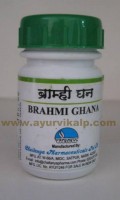
Brahmi (Bacopa monnieri):
-
Brahmi is renowned for its neuroprotective and cognitive-enhancing properties. It helps calm the nervous system, reduce anxiety, and improve mental clarity, making it beneficial for epilepsy management.
-
Shankhpushpi (Convolvulus pluricaulis):
-
This herb is known for its tranquilizing effects and is used to manage stress and anxiety, which can trigger seizures. It also supports cognitive function and improves memory.
-
Vacha (Acorus calamus):
-
Vacha has antispasmodic and nervine properties, which are particularly useful in managing seizures. It helps calm the mind and reduce the frequency of epileptic episodes.
-
Ashwagandha (Withania somnifera):
-
Ashwagandha is an adaptogen that helps the body manage stress and anxiety. It also supports overall brain health and helps in reducing the frequency and severity of seizures.
-
Jatamansi (Nardostachys jatamansi):
-
Known for its calming effects on the mind, Jatamansi is used to treat neurological conditions, including epilepsy. It helps in reducing mental stress and stabilizing mood.
-
Saraswatarishta:
-
This is an Ayurvedic formulation that contains Brahmi and other herbs. It is used to enhance cognitive function, reduce stress, and manage neurological disorders like epilepsy.
-
Kalyanaka Ghrita:
-
A medicated ghee preparation used in Ayurveda to support brain health and treat conditions like epilepsy. It helps in calming the nervous system and improving cognitive functions.
Ayurvedic Lifestyle Recommendations for Epilepsy
-
Dietary Adjustments:
-
Include easily digestible foods, fresh fruits, vegetables, and whole grains.
-
Avoid foods that increase Vata dosha, such as cold, dry, and raw foods.
-
Incorporate warm, cooked meals with ghee, which is believed to nourish the brain.
-
Panchakarma Therapy:
-
Panchakarma is a detoxification process that may include procedures like Vamana (therapeutic vomiting) and Basti (medicated enema) to cleanse the body and balance the doshas.
-
Yoga and Meditation:
-
Regular practice of yoga and meditation helps in calming the mind, reducing stress, and improving overall mental health. Specific asanas and breathing exercises (Pranayama) can be beneficial for epilepsy patients.
-
Routine and Sleep:
-
Establishing a regular daily routine and ensuring adequate sleep is crucial, as irregularities in sleep patterns can trigger seizures.
Considerations for the Use of Ayurvedic Medicine in the United States
Conclusion
While Ayurveda offers a natural and holistic approach to managing epilepsy, it is essential to approach these treatments with caution, especially in the context of their use in the United States. The growing interest in Ayurveda highlights the need for further research and regulation to ensure the safety and efficacy of these treatments. Integrating Ayurvedic practices with conventional medical care, under the supervision of qualified professionals, can provide a comprehensive approach to epilepsy management.