Introduction to Ayurvedic Medicine and Depression
Ayurveda, an ancient system of medicine originating from India, offers holistic approaches to health and wellness, emphasizing the balance of mind, body, and spirit. Depression, a common mental health disorder characterized by persistent feelings of sadness and loss of interest, can be managed through various Ayurvedic treatments. This unique content focuses on Ayurvedic medicines and practices available in the United States that can help alleviate symptoms of depression.
Understanding Ayurveda and depression
Ayurveda views depression as a result of imbalances in the body's three doshas: Vata, Pitta, and Kapha. Each individual has a unique constitution, and imbalances in these doshas can lead to various physical and mental health issues. In the case of depression, Ayurveda often identifies an imbalance in the Vata and Kapha doshas, leading to symptoms such as anxiety, lethargy, and emotional instability.
Ayurvedic Medicines for Depression
Several Ayurvedic herbs and formulations are known for their potential antidepressant properties. These remedies are available in the United States and can be integrated into a comprehensive treatment plan for depression.
-
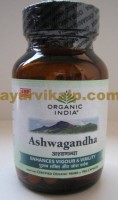
Ashwagandha (Withania somnifera)
-
Benefits: Ashwagandha is an adaptogen that helps the body manage stress. It has been shown to reduce cortisol levels, enhance mood, and improve overall mental well-being.
-
Usage: Typically available in powder, capsule, or tincture form, Ashwagandha can be taken daily as per the recommended dosage on the product label.
-
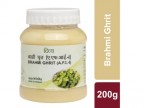
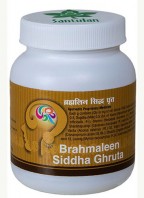
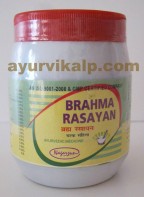
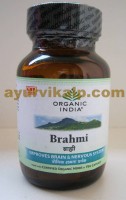
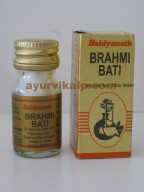
Brahmi (Bacopa monnieri)
-
Benefits: Known for its cognitive-enhancing properties, Brahmi supports mental clarity, reduces anxiety, and improves emotional balance.
-
Usage: Brahmi can be consumed in the form of capsules, powders, or teas. Consistent use is recommended for optimal results.
-
Jatamansi (Nardostachys jatamansi)
-
Benefits: Jatamansi is known for its calming effects on the nervous system. It helps reduce stress, anxiety, and depressive symptoms.
-
Usage: Available in capsule or powder form, Jatamansi can be taken daily as directed by a healthcare practitioner.
-
Shankhpushpi (Convolvulus pluricaulis)
-
Benefits: This herb enhances cognitive function, alleviates stress, and promotes mental peace.
-
Usage: Shankhpushpi is available in various forms including powders, syrups, and capsules. Follow the recommended dosage for best results.
-
Saffron (Crocus sativus)
-
Benefits: Saffron has been traditionally used to uplift mood and improve symptoms of depression. Clinical studies suggest it can be as effective as some conventional antidepressants.
-
Usage: Saffron can be used as a spice in cooking or taken in supplement form.
Integrating Ayurvedic Practices for Depression Management
In addition to herbal remedies, Ayurveda emphasizes the importance of lifestyle and dietary changes to manage depression effectively.
-
Diet: A balanced diet rich in fresh fruits, vegetables, whole grains, and healthy fats supports mental health. Avoiding processed foods, caffeine, and alcohol can also help maintain emotional balance.
-
Exercise: Regular physical activity, such as yoga or walking, can improve mood and reduce stress.
-
Meditation and Pranayama: Mindfulness practices, including meditation and deep breathing exercises (pranayama), are essential for calming the mind and reducing symptoms of depression.
-
Sleep: Ensuring adequate and quality sleep is crucial for mental well-being. Following a consistent sleep routine can help regulate mood and energy levels.
Conclusion
Ayurvedic medicine offers a holistic and natural approach to managing depression. By incorporating Ayurvedic herbs, dietary changes, and lifestyle practices, individuals can find relief from depressive symptoms and achieve overall mental well-being. As the popularity of Ayurveda continues to grow in the United States, more people have access to these time-tested remedies, allowing for a complementary approach to mental health care.