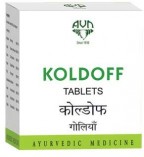
Rhinitis, an inflammation of the nasal mucous membranes, can cause symptoms such as sneezing, runny nose, congestion, and itchy eyes. Ayurvedic medicine offers a range of natural remedies and practices to help manage and alleviate these symptoms. Here are some unique Ayurvedic treatments and approaches that can be utilized in the United States:
Herbal Remedies
-
Tulsi (Ocimum sanctum)
-
Usage: Consumed as fresh leaves, tea, or capsules.
-
Action: Tulsi has anti-inflammatory, antibacterial, and antihistamine properties that help in reducing symptoms of rhinitis and boosting immunity.
-
Turmeric (Curcuma longa)
-
Usage: Taken as a spice in food, in tea, or in supplement form.
-
Action: Turmeric contains curcumin, which has potent anti-inflammatory and antioxidant properties, helping to reduce inflammation and allergy symptoms.
-
Ginger (Zingiber officinale)
-
Usage: Consumed as fresh ginger, in tea, or in supplement form.
-
Action: Ginger has anti-inflammatory and antihistamine effects that help in reducing nasal congestion and other symptoms of rhinitis.
-
Haridra Khanda
-
Usage: Available in granules or powder form.
-
Action: This formulation contains turmeric and other herbs that help in reducing inflammation, allergies, and nasal congestion.
-
Trikatu
-
Composition: A combination of black pepper, long pepper (Pippali), and ginger.
-
Usage: Taken as powder or capsules.
-
Action: Helps in clearing mucus, reducing congestion, and enhancing respiratory health.
Dietary Recommendations
-
Anti-Inflammatory Diet
-
Foods: Include anti-inflammatory foods like turmeric, ginger, garlic, and green leafy vegetables.
-
Action: Helps in reducing overall inflammation and supporting immune function.
-
Warm Fluids
-
Fluids: Herbal teas like ginger tea, turmeric tea, and Tulsi tea.
-
Action: Warm fluids help in soothing the throat, reducing congestion, and facilitating mucus clearance.
-
Avoid Cold Foods
-
Advice: Avoid consuming cold foods and drinks as they can aggravate congestion and inflammation.
-
Action: Helps in maintaining warmth in the body and promoting sinus drainage.
Lifestyle and Practices
-
Nasya (Nasal Administration)
-
Method: Administering medicated oils or herbal powders into the nostrils.
-
Common Oils: Anu Taila or Shadbindu Taila.
-
Action: Nasya helps in clearing nasal passages, reducing congestion, and alleviating rhinitis symptoms.
-
Steam Inhalation
-
Method: Inhaling steam with a few drops of eucalyptus oil or peppermint oil.
-
Action: Helps in loosening mucus, clearing nasal congestion, and soothing the respiratory tract.
-
Jala Neti (Nasal Irrigation)
-
Method: Using a neti pot to flush the nasal passages with saline water.
-
Action: Helps in clearing mucus, reducing congestion, and maintaining sinus health.
-
Pranayama (Breathing Exercises)
-
Practices: Specific breathing exercises such as Anulom Vilom (alternate nostril breathing) and Bhramari (humming bee breath).
-
Action: Improves lung function, reduces stress, and enhances overall respiratory health.
Key Ayurvedic Formulations
-
Sitopaladi Churna
-
Composition: A traditional Ayurvedic formulation containing herbs like Vanshlochan, Pippali, Ela, and Cardamom.
-
Action: Effective in treating cough, cold, and respiratory issues, and helps in clearing nasal congestion.
-
Chyawanprash
-
Composition: A herbal jam made from Amla and various other herbs.
-
Action: Boosts immunity, provides vital nutrients, and helps in managing respiratory conditions.
-
Talisadi Churna
-
Composition: A combination of herbs like Talisa Patra, Pippali, and Ginger.
-
Action: Helps in reducing cough, clearing mucus, and improving respiratory function.
Considerations for Usage
-
Consultation: It is essential to consult with an Ayurvedic practitioner before starting any new treatment to ensure it is suitable for your specific condition and to avoid any potential interactions with other medications.
-
Quality and Source: Ensure that Ayurvedic products are sourced from reputable suppliers to guarantee their quality and authenticity.
Integration with Conventional Treatments
Ayurvedic treatments can complement conventional medical care for rhinitis by reducing symptoms and supporting overall respiratory health. However, they should not replace standard medical treatments, especially in cases of severe or chronic rhinitis. Patients should work closely with both their conventional healthcare providers and Ayurvedic practitioners to develop a holistic and integrated treatment plan.