Cart (8 Item, € 67.20)
Register
|
Sign In
Search
See all Categories
Search by Body Segment
Heart/Cardiovascular (80)
Brain/Nervous System (128)
Endocrine System (24)
Stomach / Gastrointestinal tract (335)
Kidney/ Urinary Tract (94)
Respiratory Tract (118)
Immune System (106)
Male Reproductive System (54)
Female Reproductive System (44)
Skin (537)
Ear, Nose, Throat (30)
Muscular Skeleton (198)
Dental /Oral Hygiene (34)
Hair (157)
Eye (91)
Ayurvedic Product Segment
Chyavanprash/ Avaleha (22)
Ayurveda Super Speciality (22)
Bhasmas (29)
Baby Care (0)
Vatis, Gutis (76)
Guggul (28)
Churna (190)
Rasakalpa (19)
Kupipakva Rasayan (5)
Panchkarma Massage Oils (6)
Herbal Ointment Balm (25)
Herbal Soaps (11)
Asavas, Kadha (19)
Ghansar Herbal Extract (29)
Medicated Ghee/Ghritham (18)
Medicinal Oils (71)
Eye Drops (12)
Proprietary Medicine (856)
Unani Medicines (21)
Men's Wellness
Erectile Dysfunction (31)
Inadequate Semen Volume (17)
Premature Ejaculation (49)
Prostate Enlargement (5)
Inadequate Libido (40)
Women’s Wellness
Frigidity (2)
Breast Enlargement (3)
Menopause (12)
Female Infertility (13)
Oligomenorrhea (4)
Genital Diseases (0)
Leucorrhoea (24)
Swami Ramdev’s Packages
Leucoderma (1)
Oligospermia Genital disease (0)
Thalassemia (1)
Multiple Sclerosis (1)
Coronary Heart Disease (1)
Psoriasis & Eczema (1)
Chronic Renal Failure (1)
Cataract & Glaucoma (1)
See All Packages (57)
Essential Oil, Aromatherapy
Dr. Jain Essential Oils (35)
Aromatherapy Formula (0)
Indian Herbs
Herbs Powder (0)
Single Herb Capsule (4)
Raw Herbs (53)
Indian Grocery
Tea & Coffee (1)
Spice & Masala (73)
Ghee, Honey & Assorted Items (1)
Attar Perfume Oils, Incense
Indian Traditional Attars (79)
Arabic Attar Oils (56)
Contemporary Type (32)
Regular Incense (28)
Masala Incense (10)
Dhoops (16)
Oud & Bakhoor (0)
Organic Products
Organic Medicines (21)
Green Food Supplements (0)
Search by Health Concern
Select
Abdomen Pain
Acidity
Acne Pimples, Blemish
Alcohol Addiction
Alcoholic Hepatitis
Allergic Disorders
Allergy
Alopecia
Alzheimers
Amenorrhea
Amenorrhoea
Amoebic Dysentery
Anemia
Ankylosing Spondylosis
Anorexia
Anxiety, Stress
Arthritis
Asthama
Atopic Dermatitis
BPH
Baby Care Products
Back Pain
Bed Wetting in Children
Bedwetting
Bleeding Gums
Blood Pressure (Low)
Blood Sugar
Body Heat
Body Swelling
Boils on Body
Bronchitis
Burns
Calcium Deficiency
Calculi
Capillary Haemorrhages
Cataract Prevention
Cervical Spondylitis
Cervicitis
Chikangunya
Chronic Kidney Disease
Chronic Pain & Fatigue
Cirrhosis
Cognition, Memory
Cold, Cough Flue
Conjunctivitis
Constipation
Convulsions
Cough, Cold
Cystitis
Dandruff
Dental Care
Depression
Dermatitis
Dermatographism
Diabetes
Diarrhea
Dry Skin
Dysentery
Dyspepsia
Dysuria
Earache
Eczema
Edema
Epilepsy
Epistaxis
Erectile Dysfunction
Esonophilia
Eye Care
Fever
Flatulence
Frozen Shoulder
Fungal Infection
Gall stones
Gastritis
General Health, Energy
General Tonic After 40 years
Genital Disease
Geriatric Skin problems
Gingivitis & Gum Disease
Glandular Enlargement
Glaucoma
Goitre
Gonorrhea
Gout
Gulma
Hair Loss
Hair Premature Graying
Headache
Health Tonic, Vitamins
Heart Disease
Height Growth
Hemorrhoids
Hepatitis A,B C
Hernia
Herniated Disk Spinal
Hiccups
High Blood Pressure
High Cholesterol
Hot Flashes
Hyper Acidity
Hypertension
Hysteria
IBS
Icthyosis
Indigestion
Infertility
Infertility Female
Infertility Male
Influenza
Insect Bites, Poisoning
Insomnia
Intenstinal Colic
Intestinal Ulcer
Iron Deficiency
Irregular periods
Itching
Jaundice
Joint Pain
Kidney Stones
Lactation
Laryngitis
Leucoderma
Leucorrhea
Lichen Planus
Lipomas
Liver Cirrhosis
Liver Diseases
Liver Enlargement
Low HDL
Low Semen Volume
Low Sperm Counts
Lumbago
Lumbar Spondylosis
Malaria
Male Performance
Memory Weakness
Menopause
Menorrhagia
Menstrual Disorder
Metrorrhagia
Micturition
Migraine Syndrome
Mouth Ulcer
Muscular Pain
Myxedema
Nausea
Neurosis
Nocturnal Emission
Non specific discharge
Obesity
Oedema
Oligospermia
Osteoarthritis
Osteoporosis
PCOS
Paralysis
Parkinsonism
Peptic Ulcer
Piles
Polymyositis
Polyuria
Post Natal Care
Pregnancy
Premature Ejaculation
Prostate
Pruritis
Psoraisis
Rash
Rhinitis
Ringworm
Scabies
Scars Stretchmarks
Schizophrenia
Sciatica
Sinusitis
Sleeplessness
Smokers Cough
Spermatorrhoea
Spleen Diseases
Spondylitis
Stamina & Body Gain
Stomatitis
Swelling
Swine Flu
Synovitis
Syphilis
Tennis elbow, Golfer Elbow
Tetanus
Thalassemia
Thyroid
Tinnitus
Tonsilitis
Trigeminal Neuralgia
Triglycerides
Tuberculosis
Typhoid
Unclassified product
Urinary Infection
Urticaria
Vaginal Discharge
Vaginitis
Varicose Vain
Vertigo
Viral Hepatitis
Vitiligo
Vomiting
Weight Management
White Patches
Worms
Wound
Search Beauty Products
Select
Acne & Pimples
After Bath Oil
After Shave for Men
After Shave Gel for Men
Anti Aging Solutions
Anti Cellulite
Anti Marks Treatment
Baby Care Product
Bleach
Blended Essential oils
Body Talc, Soaps
Body Wash Gel
Breast Firming
Cleansing Milk
Cold Cream
Dandruff
Dryness
Eyeliners
Face Cleansers
Face Pack / Mask
Fairness Treatment
Foot Cream
Hair Conditioners
Hair Loss Prevention
Hair Oils
Hair Serum
Hair Shampoo
Hair Vitalizer
Hand & Body Lotions
Henna
Herbal Hair Pack
Herbal Soaps
Hyper Pigmentation
Indigo Hair Color
Kajals & Mascaras
Lip Balms
Moisturizers / Nourishers
Night Cream
Others
Scalp Itching
Scars
Scrubs/ Exfoliates
Strech Marks
Sun Protections
Under Eye/Dark Circles
Search by Brand / Company
Select
AIMIL Healthcare
AVN Ayurveda
Abhinav Ayurveda
Acharya Products
Add Shop Promotions
Akhandanand Ayurvedic
Alakananda Herbals
Alarsin Pharmaceuticals
Amrut Pharmaceuticals
Amrutanjan
Ancient Formulae
Arjun Health Care
Arya Aushadhi
Arya Vaidya Pharmacy
Ayurchem
Ayurlab
Ayurved Pratishthan
Ayurved Vikas Sansthan
Ayurveda Rasashala
Ayurvedeeya Arkshala
B-Tex
B. C Hasaram & Sons
BAN
BIC Agarbatti
BVG Life Sciences
Baidyanath
Balaji Agarbatti Company
Bharat Industrial Corporation
Bimal Agarbatti Works
Biogreen Health Care
Biotique
Bipha Healthcare
Boroline
Brooke Bond
Budhia
Chaitanaya Pharmaceuticals
Charak
Charan
Chyawan Ayurved
Cycle Brand
Damodhar & Co.
Dehlvi Remedies
Dhanvantari Gujarat
Dhathri
Divya Pharmacy
Dollar Company
Dr. Morepen
Eden Herbals
Ethichem Laboratories
Everest Masala
Flourish Fragrance
Fresh Fragrances
Ganga Pharmaceuticals
Girnar
Gits Food
Goseva
Green Pharmacy
Green Pharmacy
Guapha Ayurveda
Guapha Ayurveda
Gufic Bioscience
Hamdard
Herbal Hills
Hesh Pharma
Imis Ayurvedics Since 1929
Indian Chemical Co
Indulekha
J & J Dechane Laboratories
JASCH Health Foods
JK Products
JRK Siddha
JRK Siddha Packages
Jagriti Herbs
Jai Son Herbals
Jiwadaya Netrprabha
K P Namboodiri
Kailas Jeevan
Kairali Ayurvedic Products Pvt Ltd
Kama Ayurveda
Kandamkulathy Vaidyasala
Kerala Ayurveda
Khadi
Khojati
Kottakkal Ayurveda Products
Lion Brand
Lipton
Lotus Herbals
M H Javerian & Sons
M Motilal Masalawala
Maharshi Badri
Mahida & Sons
Mohammedia Products
Moksh Agarbatti
Multani Pharmaceuticals
Nagarjun Pharmaceuticals
Nagarjuna Ayurveda Kerala
Nandita Fragrances
Nattura Bio Care
Neat everyday
New Shama Laboratories
Nidco Herbal
Nikhil Products
Nirali Products
Organic India
Orkay Fragrance
Pankajkasturi
Parimal Aroma Agarbathi
Patanjali Ayurved
Pitambari Group
Prime Fragrancess
Promotions, Lots, Combo
Punarvasu
R K Armoa Shop
Rajasthan Aushadhalaya
Rajpal Products
Rasashram Pharma Gondal
Redhill Herbals
Rex (U&A) Remedies Pvt. Ltd.
Rishiraj Ayurvedashram
Roopak, Delhi
SBS Biotech
SG Phyto Pharma
SKM Siddha and Ayurveda
Safe Life Herbals
Sandu
Sane Care
Sanjeevani Pharma
Santulan Ayurveda
Sharangdhar Packages
Sharangdhar Pharma
Sharmayu Ayurveda
Sheth Brothers
Shree Dhan Fragrance
Shree Shanker Ayurvedic
Shriji Herbal
Simandhar Herbals
Sitaram Ayurveda
Society Tea
Sree Chamundeswari
Sri Sri Ayurveda
Surya Devya Enterprises
Surya Pharmaceuticals
Swadeshi Ayurved
Swadeshi Udupi
Tanvi Herbal
Tata Tea
The Tayyebi Dawakhana
Unclassified
Unjha Pharmacy
Urja Ayur
VHRC Cosmecuticals
VLCC
Vaadi Herbal
Vaidrishi Laboratories
Vaidyaratnam Moss
Vasu Pharma
Venkateswara Ayurveda Nilayam Ltd
Vicco Laboratories
Vyas Pharmaceuticals
Wintogeno
Zandu
What's New?
more
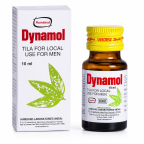
Hamdard Dynamol Oil Tila 10 ml - For Men's Health
€ 5.6
Customer Care
How to order / Search
Pricing & Shipping information
Payment Option
Return Policy
Contact Us
Quick Enquiry
Haritaki, Terminalia Chebula
Sort by
What's New
Price low to high
Price high to low
A to Z
Z to A
1 products found
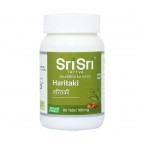
Sri Sri Ayurveda, HARITAKI, 60 Tablet, Laxative & Constipation
€ 4.48
Email: info@ayurvikalp.com
Top Reasons to buy from us!
Brand new fresh ayurvedic products of the most popular, trusted and authentic brands.
Best Prices on the internet guaranteed or your money back! No processing or handling charges.
Worldwide Free Shipping from India on all orders above US $40/-
We offer Replacement or 100% refund in the rare event of your item is lost in transit.
Professional, prompt and frank customer service assuring you 100% satisfaction.
Prompt one day handling as we quickly ship worldwide through trackable and reliable Registered Airmail Priority Service.
Safe and Secured Packaging delivering your product in intact conditions.
SSL Encrypted website for privacy of your personal data.